The Ultimate Guide to Making and Enjoying Organic Bone Broths at Home
Bone broth has actually gotten interest for its various health advantages and culinary versatility. Crafting natural bone broth in the house permits individuals to manage the top quality of ingredients, making sure a nourishing outcome. Comprehending the choice of bones, important flavoring parts, and appropriate cooking methods is important. As the procedure unfolds, one might question just how to boost their broth beyond the fundamentals and integrate it right into daily dishes for improved taste and nutrition.
Understanding the Health Conveniences of Bone Broth
Bone broth has been a staple in various cuisines for centuries, its health benefits have gained significant focus in recent years. Rich in collagen, amino acids, and minerals, bone brew is typically proclaimed for its prospective to sustain joint wellness, boost gut function, and boost skin flexibility. The jelly obtained from cooked bones might aid food digestion and assistance seal the gut lining, potentially alleviating problems like leaking intestine syndrome.Furthermore, the presence of nutrients such as glucosamine and chondroitin may add to lowered swelling and pain relief in joints. Furthermore, bone brew is hydrating and can work as a healthy base for stews and soups. Several proponents additionally claim that it boosts the body immune system, thanks to its mineral profile. Overall, the resurgence of rate of interest in bone broth is connected to its viewed capacity to advertise overall health and assistance different bodily functions.
Choosing the Right Bones for Optimum Flavor and Nutrition
What variables should one consider when choosing bones for broth prep work? The type of bones utilized greatly affects both taste and dietary worth. It is important to select bones that include a mix of marrow bones, joint bones, and meaty bones. Marrow bones offer rich tastes and healthy fats, while joint bones add collagen, boosting the broth's dietary profile.Additionally, sourcing bones from grass-fed or pasture-raised animals assurances better and even more nutrients, as these pets are usually healthier. The quality of the bones is likewise vital; choosing bones from neighborhood butchers or farmers' markets can guarantee optimal taste. Bone dimension matters as well; larger bones release even more gelatin, resulting in a richer broth. Ultimately, thinking about the kind of animal-- poultry, beef, or fish-- can influence the last taste, permitting functional broth alternatives tailored to specific choices.
Necessary Components for a Tasty Bone Brew
Quality Bone Option
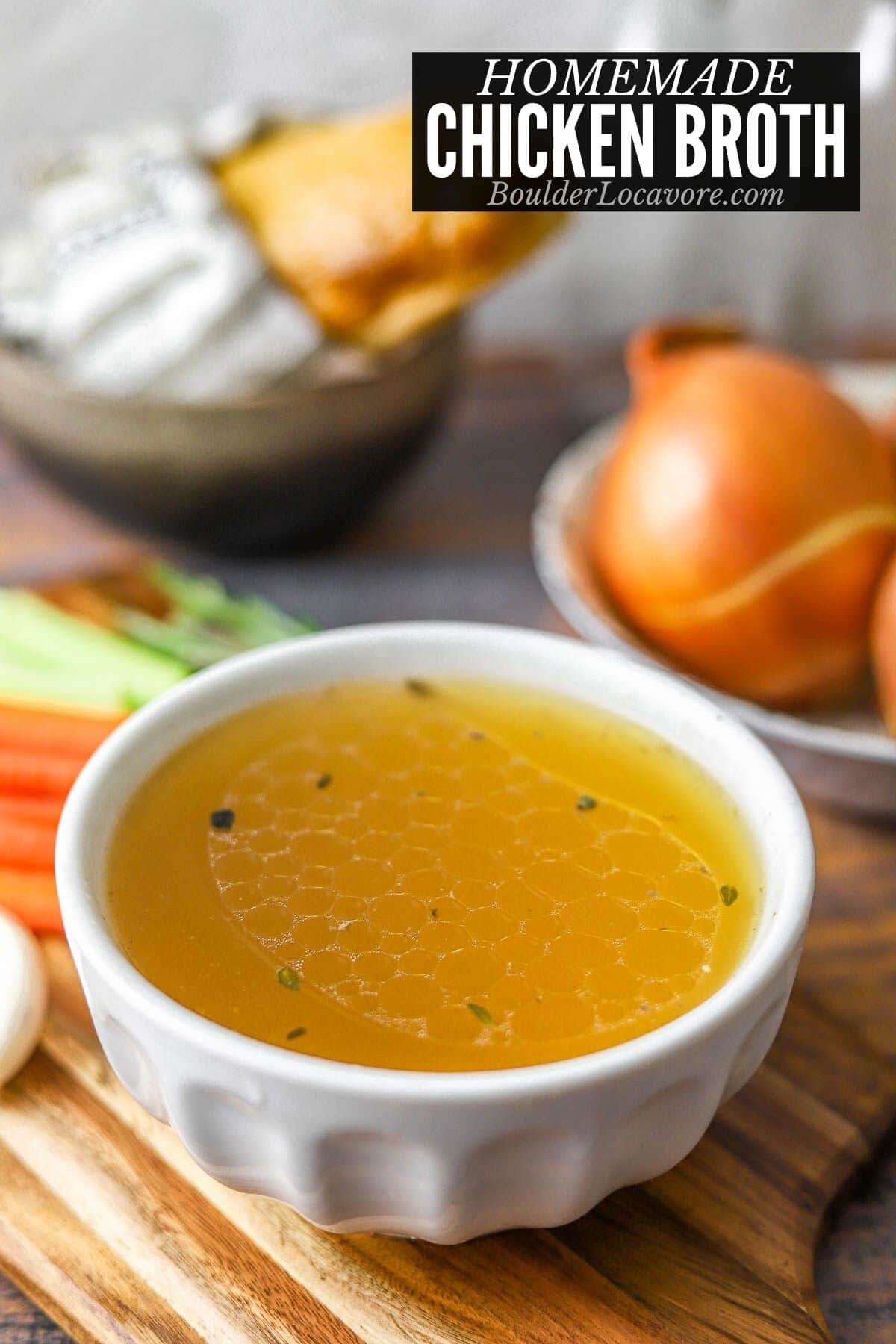
The structure of a tasty bone brew exists in the careful choice of high-grade bones. Sourcing natural, pasture-raised or grass-fed bones is necessary, as these options are a lot more most likely to be devoid of damaging ingredients and supply superior nutrients. Varieties such as lamb, hen, or beef bones each give distinct tastes and health benefits. Bone kinds, consisting of marrow bones, knuckle bones, and oxtails, add gelatin and collagen, enhancing the brew's appearance. Choosing bones with a mix of meat and connective tissue can also include splendor and depth. In addition, selecting bones with noticeable marrow assures a nutrient-dense brew, boosting the total top quality. Eventually, investing time in top quality bone choice prepares for a nourishing and scrumptious broth.
Aromatic Taste Enhancers
Selecting high-grade bones establishes the stage for a abundant and nutritious bone broth, yet it is the enhancement of fragrant flavor enhancers that genuinely elevates the dish. Active ingredients such as onions, garlic, and carrots not only give sweetness yet likewise add depth to the broth. Fresh natural herbs like bay, parsley, and thyme leaves add a great smelling note, while spices such as black peppercorns and cloves introduce heat and intricacy. Furthermore, integrating a splash of apple cider vinegar can help extract minerals from the bones, enhancing the brew. These flavor enhancers develop a harmonious mix, changing a basic brew right into a mouthwatering structure for soups, stews, or sauces, making it a versatile element in any culinary repertoire.
Step-by-Step Overview to Making Bone Brew at Home
Producing bone look here brew at home can be a satisfying culinary venture that boosts both flavor and nutrition in different meals. To begin, one need to pick high-quality bones, ideally from grass-fed or natural resources. Toasting the bones at 400 ° F for concerning thirty minutes can magnify the flavor. Next, transfer the baked bones to a big pot or sluggish cooker and cover them with cool water. Including a sprinkle of vinegar aids remove minerals from the bones.Include aromatic veggies like onions, carrots, and celery for added deepness, along with herbs and spices as wanted. Bring the blend to a boil, after that reduce to a simmer. It is important to allow the broth simmer for a minimum of 12 hours, though longer is better for optimum richness. Finally, stress the brew with a fine-mesh screen and store it in impermeable containers, prepared to boost meals with its healthy essence.
Tips for Refining Your Bone Brew Simmer
While simmering bone broth, maintaining the ideal temperature level and timing is vital for achieving a rich and delicious outcome. A gentle simmer, preferably in between 190 ° F and 210 ° F, assists extract optimum nutrients and flavors without boiling, which can make the brew cloudy. It is suggested to monitor the pot closely, adjusting the heat as needed to preserve this simmer.Timing is additionally essential; a longer simmer, normally ranging from 12 to two days, permits much deeper taste extraction and collagen release. For chicken bones, a 12 to 24-hour simmer suffices, while beef bones take advantage of longer food preparation times.Additionally, skimming off any type of foam or pollutants that rise to the surface area throughout the initial few hours can boost the brew's clearness and preference. Making sure the pot is covered during simmering helps to maintain moisture and increase the flavors, making for a much more enjoyable end product.
Innovative Ways to Utilize Bone Broth in Your Food preparation
Including bone brew right into various recipes raises both flavor and nutritional value. Cooks and home chefs alike discover that using bone broth as a base for soups and stews enhances depth and richness, changing straightforward recipes into hearty meals. It can also be utilized in risottos, where the broth changes water, allowing the grains to absorb its full-flavored essence.Additionally, bone broth works as a superb cooking fluid for grains like quinoa or rice, infusing them with nutrients and flavor. For an added twist, it can be utilized in braising meats, resulting in tender, flavorful end results. Also sauces take advantage of a sprinkle of bone brew, enhancing their preference profile.Moreover, bone brew can be integrated right into smoothies for an unexpected health boost, providing protein and nutrients without jeopardizing taste. These creative applications showcase the flexibility of bone broth in day-to-day cooking, making it a very useful kitchen staple.
Storing and Protecting Your Self-made Bone Brew
Correct storage space and conservation of homemade bone broth is important for preserving its taste and nutritional advantages. Cold strategies and refrigeration finest methods play a vital duty in extending the brew's shelf life. Understanding these techniques can help ensure that the broth stays safe and scrumptious for future use.
Freezing Strategies Explained
Cold methods are necessary for efficiently storing and preserving home made bone broth, ensuring its abundant tastes and nutrients remain undamaged for future use. To freeze bone brew, it is advisable to let it great completely before transferring it to storage space containers. Glass jars, silicone molds, or durable fridge freezer bags appropriate alternatives. When utilizing jars, leave room at the top for growth during cold. Portioning the broth right into smaller quantities enables simple thawing and reduces waste. Label containers with the date and materials for easy identification. For peak high quality, eat the frozen broth within three to 6 months - Chicken Broth. Defrosting can be performed in the fridge or by utilizing a microwave, guaranteeing that the brew is heated completely before intake
Refrigeration Best Practices
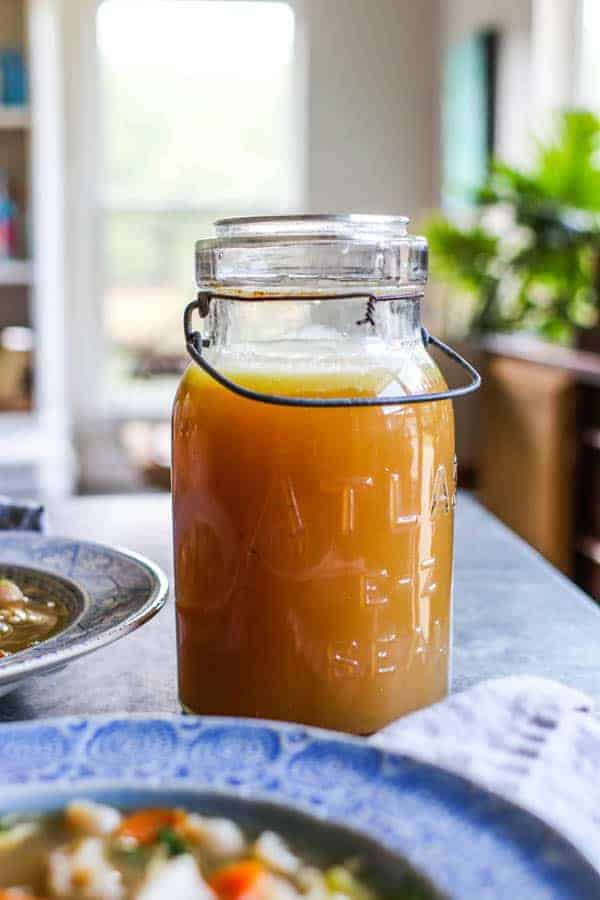
While numerous concentrate on freezing as an approach of preservation, about his refrigeration additionally plays a crucial role in keeping homemade bone brew efficiently. As soon as cooled, bone broth should be moved to airtight containers, guaranteeing minimal useful link air exposure to protect against putridity. It is advisable to refrigerate broth within 2 hours of cooking to preserve its quality. Commonly, homemade bone brew can be kept in the fridge for approximately five days. Identifying containers with days can assist track freshness. For peak flavor and security, brew must be reheated to a moving boil prior to intake. If longer storage space is needed, cold stays an excellent option, however appropriate refrigeration methods guarantee that bone broth stays tasty and healthy for temporary usage.
Frequently Asked Concerns
Can I Utilize Frozen Bones for Making Bone Broth?
The concern of making use of icy bones for bone brew occurs frequently (Chicken Broth). Specialists concur that frozen bones can be used properly, but they must be thawed prior to cooking to guarantee optimal taste and nutrient removal
How Lengthy Can I Store Homemade Bone Brew?
Is It Safe to Reheat Bone Broth Several Times?
Reheating bone brew several times can posture safety and security problems - Chicken Broth. Each reheating cycle increases the risk of bacterial development. It is a good idea to reheat just once and store any type of leftovers immediately to guarantee safety and top quality
Can I Add Veggies to the Broth for Taste?
Adding veggies to broth enhances taste and nutritional value. Common selections consist of carrots, onions, and celery. The vegetables instill their essence into the broth, developing a richer and a lot more full-flavored end product.
What's the Best Means to Thaw Frozen Bone Broth?
To thaw icy bone brew, one can position it in the refrigerator over night, make use of a microwave on low warmth, or immerse the secured container in cozy water, ensuring also defrosting without compromising taste or nutrients. It is crucial to choose bones that consist of a mix of marrow bones, joint bones, and weighty bones. Marrow bones offer healthy and balanced fats and abundant flavors, while joint bones add collagen, enhancing the brew's dietary profile.Additionally, sourcing bones from grass-fed or pasture-raised pets guarantees greater top quality and even more nutrients, as these animals are typically much healthier. Bone types, including marrow bones, knuckle bones, and oxtails, add jelly and collagen, improving the brew's appearance. Choosing premium bones establishes the stage for a rich and nourishing bone brew, but it is the enhancement of fragrant flavor boosters that genuinely elevates the recipe. Even sauces profit from a sprinkle of bone brew, improving their taste profile.Moreover, bone broth can be integrated right into smoothies for an unexpected health boost, giving protein and nutrients without endangering preference.